

CGM Journey Day9——How to Enhance Insulin Sensitivity
Insulin resistance is not irreversible. With the right lifestyle changes, it is possible to improve the body’s sensitivity to insulin, lower blood sugar, and reduce the risk of diabetes and cardiovascular diseases. The following strategies are especially important:
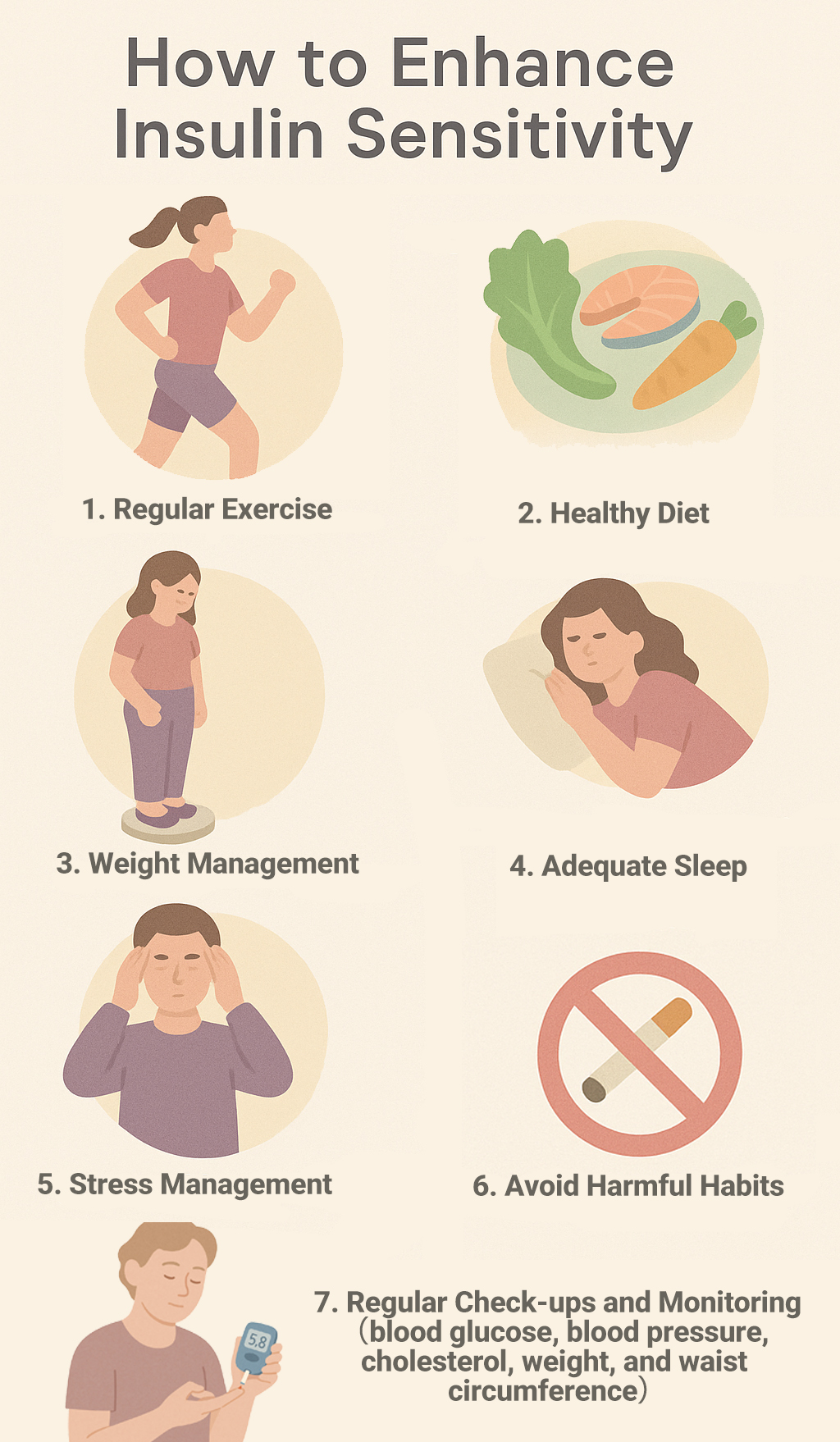
1. Regular Exercise
Physical activity is one of the most effective ways to enhance insulin sensitivity.
- Aerobic exercise: At least 150 minutes of moderate-intensity activity per week (such as brisk walking, swimming, or cycling). Aerobic exercise helps muscles use glucose more efficiently.
- Strength training: 2–3 sessions per week (such as weightlifting, resistance bands, or bodyweight exercises) can increase muscle mass. Since muscle is a major site for glucose storage, this improves insulin function.
- Daily activity: Small habits like taking the stairs, walking more, or standing while working can also make a difference.
2. Healthy Diet
What you eat plays a critical role in insulin resistance.
- Recommended foods: Whole grains (oats, brown rice), vegetables, fruits, legumes, and healthy fats (nuts, olive oil, fish).
- Foods to limit: Refined carbohydrates (white bread, white rice, sweets), sugary drinks, and processed foods, which cause blood sugar spikes. Excess saturated fat (fried foods, fatty meats, butter) can also impair insulin sensitivity.
- Eating habits: Stick to regular meals, avoid overeating, and aim for stable blood sugar levels. For some, smaller and more frequent meals may help reduce glucose fluctuations.
3. Weight Management
Excess weight, especially abdominal fat, is strongly linked to insulin resistance. Losing just 5–10% of body weight can significantly improve insulin sensitivity. A gradual and sustainable approach—through balanced diet and exercise—is safer than quick fixes.
4. Adequate Sleep
Poor sleep (less than 6 hours) disrupts hormone balance and glucose metabolism, increasing the risk of insulin resistance. Adults should aim for 7–9 hours of quality sleep each night. Consistent routines and a restful environment (dark, quiet, screen-free before bed) support better sleep.
5. Stress Management
Chronic stress raises cortisol, which increases blood sugar and worsens insulin resistance.
- Relaxation practices: Meditation, yoga, tai chi, deep breathing, or nature walks can help.
- Hobbies: Engaging in enjoyable activities like reading, music, or art also reduces stress.
6. Avoid Harmful Habits
- Quit smoking: Smoking increases insulin resistance and damages cardiovascular health.
- Limit alcohol: Excess drinking raises the risk of fatty liver and insulin resistance. Occasional, moderate drinking may be tolerated, but it’s best to minimize alcohol overall.
7. Regular Check-ups and Monitoring
Early insulin resistance often shows no symptoms. Regularly checking blood glucose, blood pressure, cholesterol, weight, and waist circumference can help detect problems early and prompt timely action.
Conclusion
The keys to improving insulin resistance are simple but powerful: move more, eat smart, and build healthier daily habits. Exercise and a balanced diet form the foundation, while proper sleep, stress relief, and weight management provide additional benefits. Together, these steps can greatly reduce the risk of diabetes and metabolic syndrome.


