

CGM Journey Day11——The Relationship Between Exercise and Blood Glucose
I. Why Does Exercise Lower Blood Glucose?
- Muscles use glucose for energy during exercise, actively drawing glucose from the bloodstream—even without the help of insulin.
- After exercise, insulin sensitivity increases, allowing the same amount of insulin to move more glucose into cells.
- Regular physical activity reduces fat accumulation and inflammation, improving metabolic balance and stabilizing blood glucose levels.
II. Comprehensive Benefits of Exercise for People with Diabetes
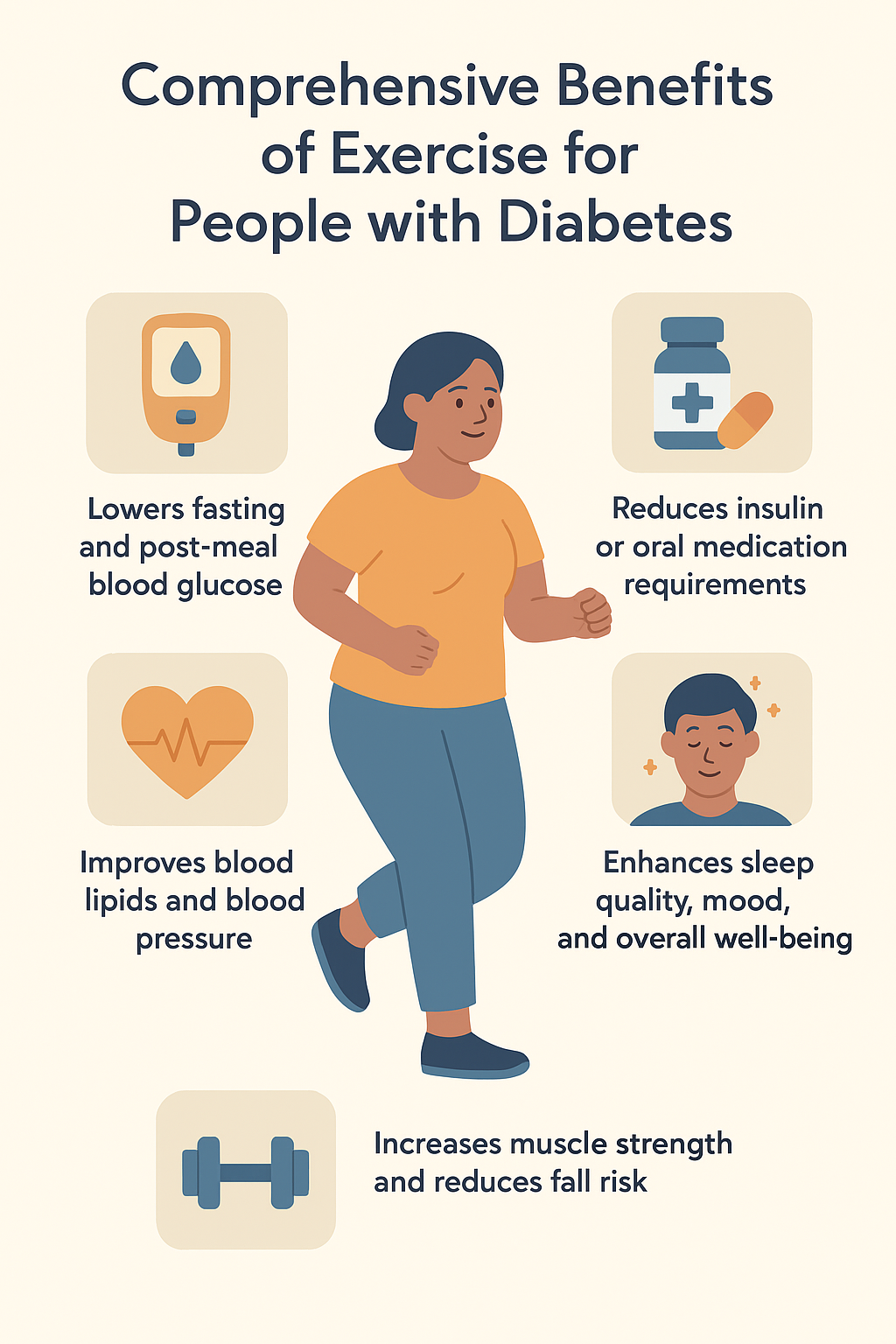
- Lowers fasting and post-meal blood glucose
- Reduces insulin or oral medication requirements
- Improves blood lipids and blood pressure
- Increases muscle strength and reduces fall risk
- Enhances sleep quality, mood, and overall well-being
III. Aerobic vs. Resistance Exercise: Different Effects on Blood Glucose
|
Type |
Examples |
Effect on Blood Glucose |
Duration of Benefit |
Additional Benefits |
|
Aerobic Exercise |
Brisk walking, cycling, swimming, jogging, dancing |
Lowers blood glucose during and immediately after exercise; enhances insulin sensitivity |
Lasts 24–48 hours |
Improves cardiovascular fitness, aids weight control |
|
Resistance (Strength) Training |
Dumbbells, resistance bands, squats, push-ups, gym machines |
Increases muscle mass and basal metabolism; gradually improves glucose control over time |
Longer-lasting (days to weeks) |
Improves body composition, bone health, and stability |
|
Best Approach |
— |
Combine both for optimal results |
— |
Complementary benefits for steady glucose control |
🧩 Easy to remember:
👉 Aerobic exercise → short-term glucose lowering
👉 Strength training → long-term glucose stability
IV. Exercise Recommendations for People with Diabetes
✅ 1. Aerobic Exercise
- Frequency: At least 5 days per week
- Duration: 30–60 minutes per session (can be divided into bouts of ≥10 minutes)
- Intensity: Moderate
- Breathing is faster but you can still talk (RPE 12–14)
- Target heart rate: 50–70% of maximum (≈ [220 − age] × 0.5–0.7)
-
Recommended Activities:
Brisk walking, cycling, swimming, tai chi, dancing, light jogging - Main Benefits: Improves insulin sensitivity and cardiovascular health, lowers glucose and fat levels.
✅ 2. Resistance (Strength) Training
- Frequency: 2–3 nonconsecutive days per week (at least 48 hours apart)
- Duration: 20–40 minutes per session
-
Intensity:
8–12 repetitions per set, feeling “somewhat hard but manageable”; 2–3 sets per exercise -
Recommended Activities:
Resistance band exercises (upper and lower body), squats, push-ups, heel raises, or bodyweight exercises -
Precautions:
Maintain even breathing; avoid holding your breath.
People with retinopathy or hypertension should avoid excessive strain or breath-holding.
✅ 3. Flexibility and Balance Training
- Frequency: Daily or every other day
- Duration: 15–20 minutes per session
- Recommended Activities: Stretching, yoga, tai chi, balance exercises
- Main Benefits: Relieves stress, improves circulation, and helps stabilize blood glucose indirectly by lowering cortisol levels.
V. Precautions Before, During, and After Exercise
🔹 Before Exercise
- Check blood glucose:
- <100 mg/dL (5.6 mmol/L) → Consume ~15 g of carbohydrate before starting
- 250 mg/dL (13.9 mmol/L) with ketones → Postpone exercise
- Wear appropriate footwear to prevent foot injury
- Avoid injecting insulin into the area of the body you plan to exercise
🔹 During Exercise
- Stay hydrated every 30 minutes
- For sessions >1 hour, consume small amounts of carbohydrate (e.g., sports drink or banana)
- If you experience dizziness, sweating, or palpitations, stop immediately and check your blood glucose
🔹 After Exercise
- Monitor blood glucose to prevent delayed hypoglycemia (especially at night)
- Within 30 minutes after exercise, have a snack combining protein + carbohydrates (e.g., soy milk and whole-grain bread)
- Record your blood glucose response to adjust exercise intensity and duration over time


